
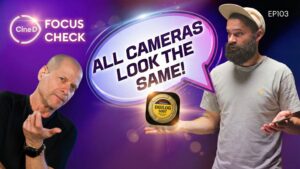
In this conversation, David Bross shares his unique journey from being a director of photography to woodworking and app development. He discusses the creation of his free iPhone app Digilog, which simulates Kodak film looks, and his philosophy of open-source software and teaching the next generation of filmmakers.
David walks us through the technical challenges behind the Digilog app (free in the App Store here), from translating his DaVinci Resolve color grading workflow into code to navigating Apple’s app review process, which rejected the app 15 times before approval. He also talks about sourcing rare Kodak CCD sensors to revisit the Digital Bolex project, not as a revival but as a stepping stone toward something bigger: building custom, artisanal cameras shaped by personal needs rather than the technological race. Along the way, he shares a candid take on why he believes modern cameras have reached a point of visual uniformity — and why that’s a problem worth solving.


Episode Chapters
00:00 Introduction to David Bross and His Journey
03:15 Transition from Filmmaking to Woodworking
04:26 The Creation of Digilog App

06:35 Technical Challenges and Unique Features of Digilog
09:01 OpenGate Recording and Real-Time Processing
10:39 Audio Issues and User Experience
12:45 Film Stocks and Recording Formats
15:02 Anamorphic Lenses and Future Plans
17:54 Community Feedback and Open Source Philosophy
18:53 The Decision to Offer Digilog for Free
20:07 Educating the Next Generation of Filmmakers

21:30 Navigating Technology and Filmmaking Aspirations
23:49 The Changing Landscape of Cinematography
25:48 Reviving the Bolex Project
30:00 Creating Custom Cameras for Personal Needs
34:50 The Quest for Unique Camera Aesthetics
39:12 Harnessing Computational Power in Filmmaking
We hope you enjoyed this episode!
You have feedback, comments, or suggestions? Write us at podcast@cined.com


0 Comments