

On November 11, 2025, IMAGO presented its comprehensive study “Behind the Lens” to the European Parliament, revealing sobering realities about cinematographer working conditions, pay, and discrimination faced by cinematographers and camera crews across Europe. The findings, which exposed widespread reliance on informal contracts, insufficient income, excessive working hours, and persistent discrimination, prompted EU representatives to commit to concrete legislative action, including a proposed EU directive for better working conditions for creatives.
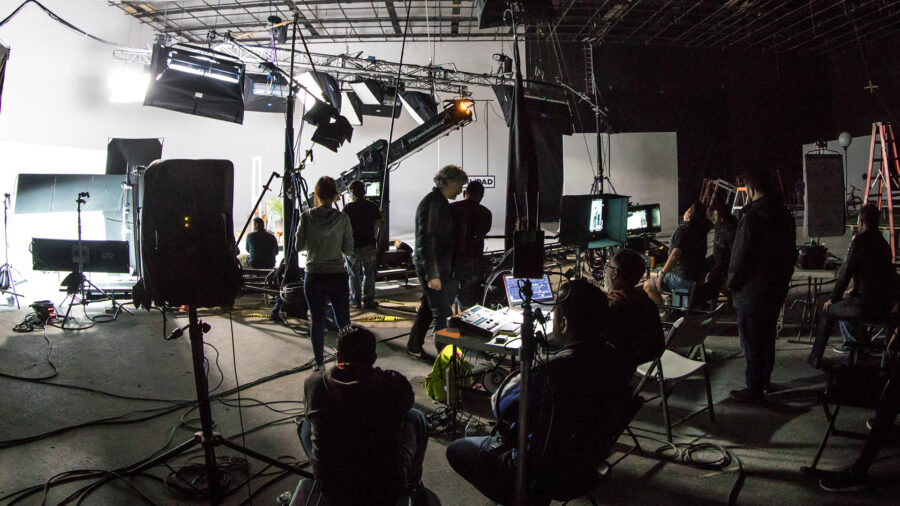
Moving images have become a defining element of contemporary culture, appearing on desktops, mobile devices, and public displays, profoundly shaping our perception of the world. Cinematography remains the only profession devoted exclusively to the creation of these images. Cinematographers, in a very real sense, frame how modern society sees itself, making it essential to understand how these creators live and work, as their well-being exerts significant influence on our collective experience.
The IMAGO Working Conditions Committee initiated the study in collaboration with the IMAGO Diversity and Inclusion Committee and numerous partners to understand the situation regarding working conditions, pay, social security, and discrimination of cinematographers and camera crews in Europe.

Study participants and methodology
The research captured responses from professionals across the industry, with 82% of participants based in Europe and 18% in other countries. The demographic breakdown showed 33.7% of respondents between 45-55 years old, with 74.8% identifying as male. This participant profile itself highlights the gender imbalance that the study would later confirm as a systemic issue within the profession.
Cinematographer working conditions and contract insecurity
The study’s findings on working conditions revealed a precarious reality for European cinematographers. Only 13.1% of respondents reported always having a signed contract for their work, indicating widespread reliance on informal agreements. This lack of formal contracts leaves professionals vulnerable and without standard employment protections.
Financial instability emerged as another critical concern, with 26.5% of cinematographers regularly taking additional paid work to supplement their income from cinematography. The data suggests that even experienced professionals struggle to maintain financial stability through their primary craft alone.

Excessive working hours documented
Working hour statistics painted an even more concerning picture. An overwhelming 90.7% of respondents reported working more than 48 hours per week, while 82.1% have worked more than 60 hours per week. These figures significantly exceed standard European working time regulations and raise serious questions about sustainability and work-life balance in the profession.
Discrimination remains widespread
The study demonstrated stark realities regarding diversity and inclusion in cinematography. Gender-based discrimination affected 27% of respondents, while 25% faced age-related discrimination. These percentages represent substantial portions of the professional community experiencing discrimination based on fundamental personal characteristics.
Perhaps more troubling, 45% of participants expressed concern about potential negative impacts of reporting discrimination, creating a climate of silence that perpetuates these issues. The same percentage, 45%, highlighted the urgent need to tackle discrimination within the industry, showing clear awareness among professionals that current conditions are unacceptable.
EU Parliament response and proposed actions
Evelyn Regner, Vice President of the European Parliament and chair of the Committee on Women’s Rights and Gender Equality (FEMM), participated in the presentation during European Gender Equality Week. The sobering findings sparked considerable interest among EU representatives, who expressed surprise that such precarious working conditions could exist in an industry considered one of Europe’s leading creative sectors.
Representatives present at the presentation expressed clear willingness to pursue concrete actions. Proposed measures include developing an EU directive to Parliament for better working conditions for creatives, connecting EU film funding with fulfillment of improved working condition standards, and incorporating recognition of these issues through the EU Lux Film Prize.
Study conclusions emphasize need for change
The survey’s conclusions emphasized several critical points. Precarious working conditions, long hours, and insufficient protection characterize the current state of cinematography work across Europe. Discrimination and gender imbalance persist throughout the profession despite growing awareness. However, cinematographers remain deeply committed to their craft and creative excellence.
The cinematographer working study concluded that fair conditions, equality, and social protection are vital for sustainable creativity. Ensuring dignity behind the lens means protecting the people who shape how we see the world, including self-employed professionals who should have access to the same benefits and safeguards as employees.
IMAGO has their Oslo Digital Cinema Conference 2025 coming up, which deals with AI implications to our profession – check out the article here to learn about the program.
The IMAGO study has opened a critical dialogue at the EU level about working conditions for cinematographers and camera crews. With concrete legislative proposals now under discussion, the question remains whether these findings will translate into meaningful policy changes. Have you experienced similar working conditions in your region? What changes do you believe are most urgently needed to protect cinematographers? Don’t hesitate to let us know in the comments below!


0 Comments